Natural Stone vs Manufactured Materials: Which Is Greener?
The Sustainable Building Dillema
In an era defined by climate consciousness and responsible design, as highlighted by the Green Building Council of Australia, one question continues to challenge architects, builders, and homeowners alike: Which is truly the greener choice — natural stone or manufactured materials?
At first glance, manufactured options like porcelain, concrete, or engineered stone might appear more sustainable due to uniform production and perceived waste reduction. However, when we look deeper into lifecycle impacts, from extraction and processing to durability and recyclability, the natural choice often reveals itself.
At Stone Design & Co, we believe that sustainability is not only about what looks good today, but also about what lasts for decades with minimal environmental cost. As Australia’s trusted natural stone supplier, importing premium limestone, travertine, bluestone, sandstone, granite, and quartz for crazy pave, wall cladding, tiles, pavers, and cobblestones, we are passionate about helping clients make informed, future-focused material choices.
Understanding Sustainability in Building Materials
Before comparing natural and manufactured materials, it is important to define what sustainability really means in this context. A truly sustainable material should meet three key criteria:
- Low environmental impact with minimal emissions, energy use, and waste throughout its lifecycle.
- Longevity and durability with a lifespan that reduces the need for frequent replacement.
- Recyclability and circular use meaning the ability to be reused, repurposed, or naturally reabsorbed by the environment.
When examined through this lens, natural stone stands out for its durability and recyclability. These are qualities that often outlast synthetic alternatives that require high-energy processing and chemical additives.
The Environmental Footprint of Natural Stone
Natural stone is formed over millions of years within the Earth’s crust. This means no synthetic chemicals, binders, or resins are required to create it. The environmental impact primarily comes from quarrying and transportation, but modern stone suppliers such as Stone Design & Co have adopted responsible sourcing practices to minimise emissions.
Quarrying and Responsible Extraction
Unlike industrial manufacturing that relies on constant energy input, stone extraction is a mechanical process. Today’s quarries are increasingly regulated to ensure land rehabilitation, water recycling, and dust control. Reputable suppliers import from quarries with ethical extraction and minimal waste cutting processes, ensuring each slab or paver is used to its fullest potential.
Longevity and Reusability
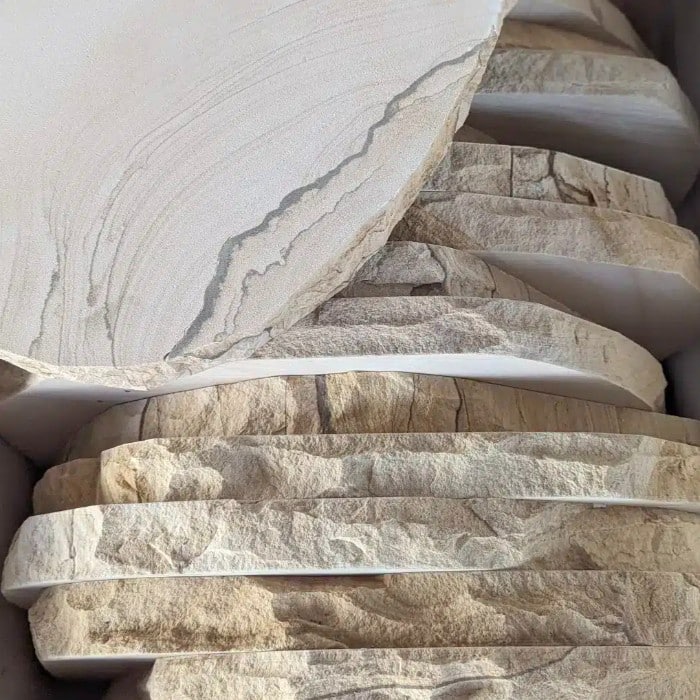
Natural stone products such as travertine pavers, limestone tiles, or bluestone crazy pave can last generations. In contrast, many manufactured surfaces have a lifespan of only 10 to 20 years before showing wear or delamination. When natural stone does reach the end of its life, it can be recycled into aggregate or reused in new architectural projects.
Minimal Chemicals and Off-Gassing
Stone is an inert material, meaning it does not release volatile organic compounds (VOCs) or toxins into your home. This is a major win for indoor air quality, something manufactured materials, particularly those containing resins or adhesives, cannot always claim.
The Environmental Cost of Manufactured Materials
Manufactured materials, including concrete, porcelain, and engineered stone, are often marketed as “green” due to controlled production environments. However, a closer look reveals several hidden sustainability challenges.
Energy-Intensive Production
Manufactured materials typically undergo high-temperature kilning, chemical treatments, or resin bonding, all of which consume vast amounts of energy. For example, engineered stone (often made with quartz, resins, and pigments) requires epoxy resins derived from petroleum, introducing non-renewable resources into the process.
Limited Lifespan and Waste
Unlike natural stone, manufactured products often cannot be easily repaired or repurposed. Once damaged or outdated, they are more likely to end up in landfill. Their composite makeup makes them difficult to recycle or separate into usable raw materials.
Off-Gassing and Health Concerns
Some synthetic materials emit VOCs or silica dust during cutting and installation, posing risks to both tradespeople and occupants. In contrast, natural stone requires no chemical curing and remains stable and non-toxic throughout its life.
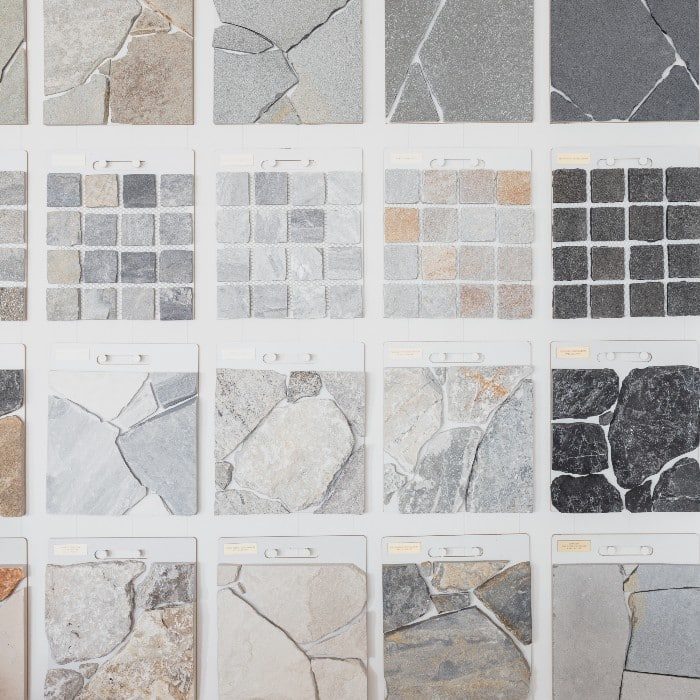
Life Cycle Analysis: From Quarry to Home
When evaluating which material is greener, Life Cycle Assessment (LCA) offers the most comprehensive view. LCAs measure a product’s total environmental impact from creation to disposal and highlight the differences between natural and manufactured materials.
| Stage | Natural Stone | Manufactured Materials |
|---|---|---|
| Extraction / Production | Mechanical quarrying with moderate emissions. | Energy-intensive kilning and chemical processes. |
| Transportation | Variable based on import distance, often sea-freighted efficiently. | Usually produced regionally but with higher embodied energy. |
| Installation | Requires minimal adhesives and natural finishes. | Uses synthetic adhesives, resins, and sealants. |
| Lifespan | 50 years or more, often centuries. | 10 to 25 years on average. |
| End of Life | Fully recyclable or reusable. | Typically non-recyclable and ends in landfill. |
This comparison shows that the embodied energy of manufactured materials is typically far greater than that of stone, even when accounting for international transport. Natural stone’s longevity and recyclability further strengthen its position as the more sustainable and environmentally responsible choice.

The Beauty of Longevity: Stone That Ages Gracefully
While manufactured surfaces often attempt to imitate the look of natural stone, there is an authenticity that cannot be replicated. Over time, natural materials such as limestone or sandstone develop a patina that tells a story, evolving with the home and its surroundings.
From the textured warmth of travertine pavers around a pool to the timeless charm of granite wall cladding, natural stone does not fade, peel, or warp. Its durability directly supports sustainability, as fewer replacements mean fewer resources consumed over time.
Pro Tip: Pairing stone with low-VOC sealants and breathable installation systems can enhance longevity while maintaining natural permeability, ideal for Australian climates.
Carbon Footprint and Transportation Considerations
A common misconception is that imported natural stone automatically carries a heavy carbon footprint. In reality, shipping large stone shipments via sea freight is often more carbon-efficient than domestic manufacturing involving high heat and energy use.
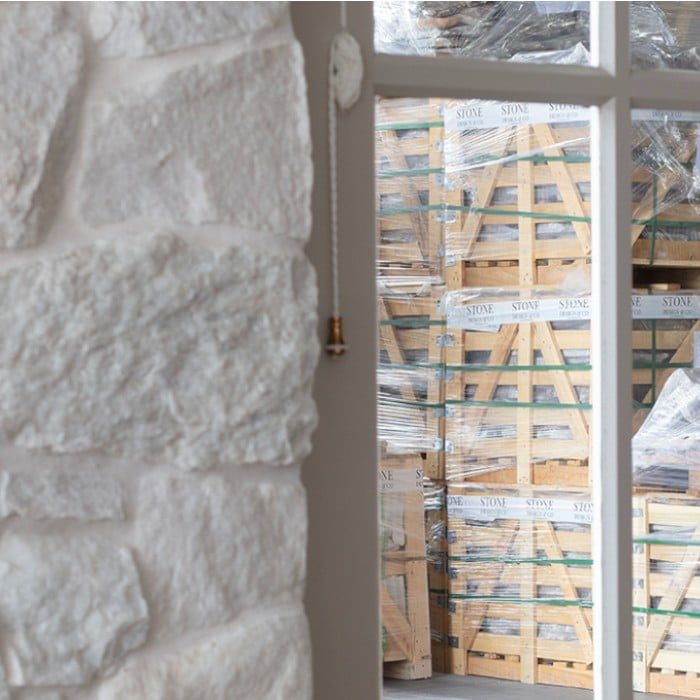
At Stone Design & Co, we import directly from trusted global quarries, optimising shipping loads and logistics to ensure efficiency. Because we sell directly to clients across Australia, from Brisbane to Sydney, Melbourne, and Perth, we eliminate middleman costs while maintaining competitive pricing and strong environmental standards.
Pro Tip: When comparing materials, consider the full journey of each product, including manufacturing energy, shipping method, and expected lifespan, to understand the true environmental cost.
Local Design Applications: Sustainable Stone in Australian Projects
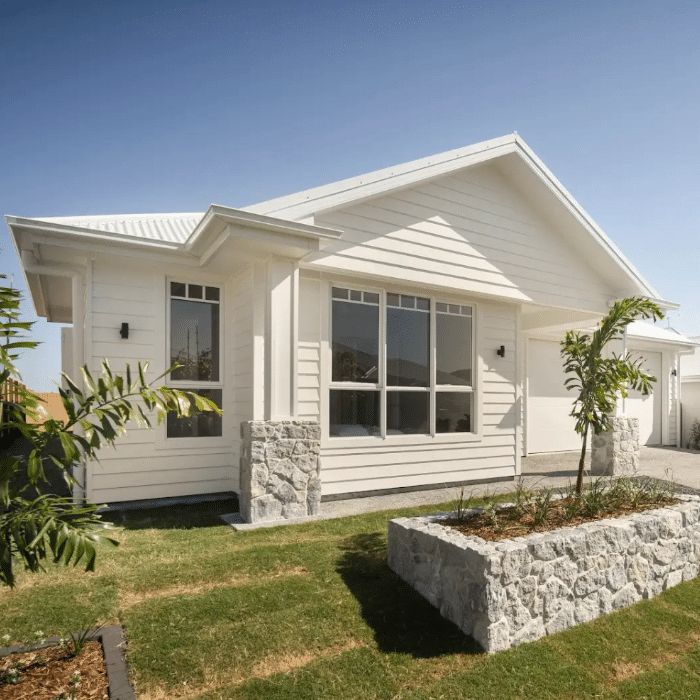
Australia’s climate and design culture lend themselves beautifully to stone. Architects and homeowners are increasingly embracing sustainable materials that combine aesthetics with function.
Outdoor Applications
- Travertine and limestone pavers stay cool underfoot, making them perfect for pool surrounds and patios.
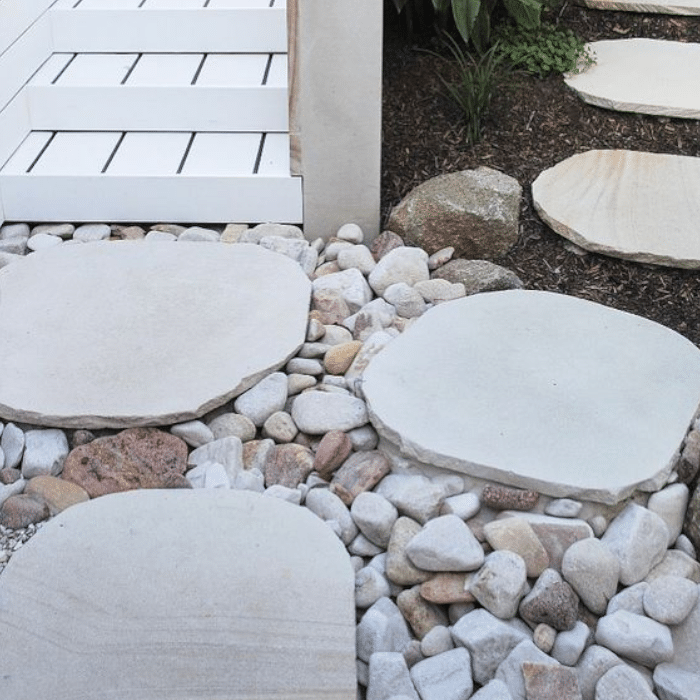
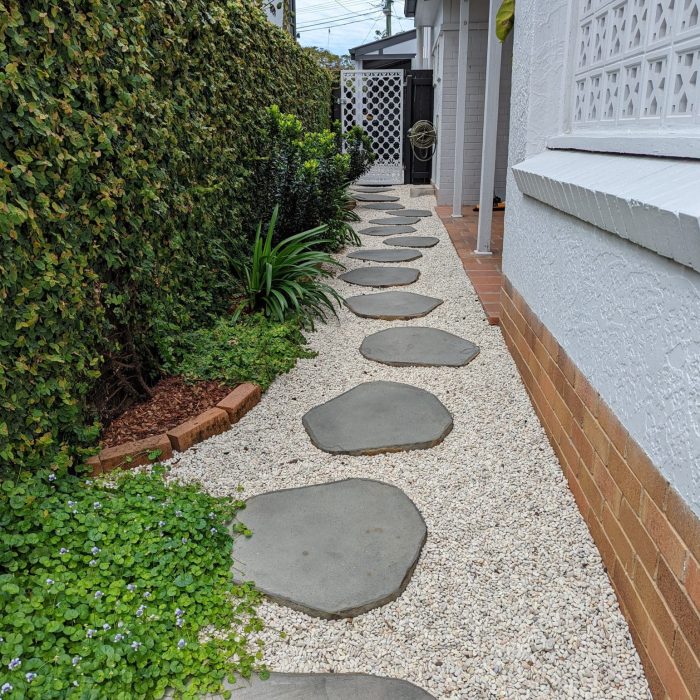
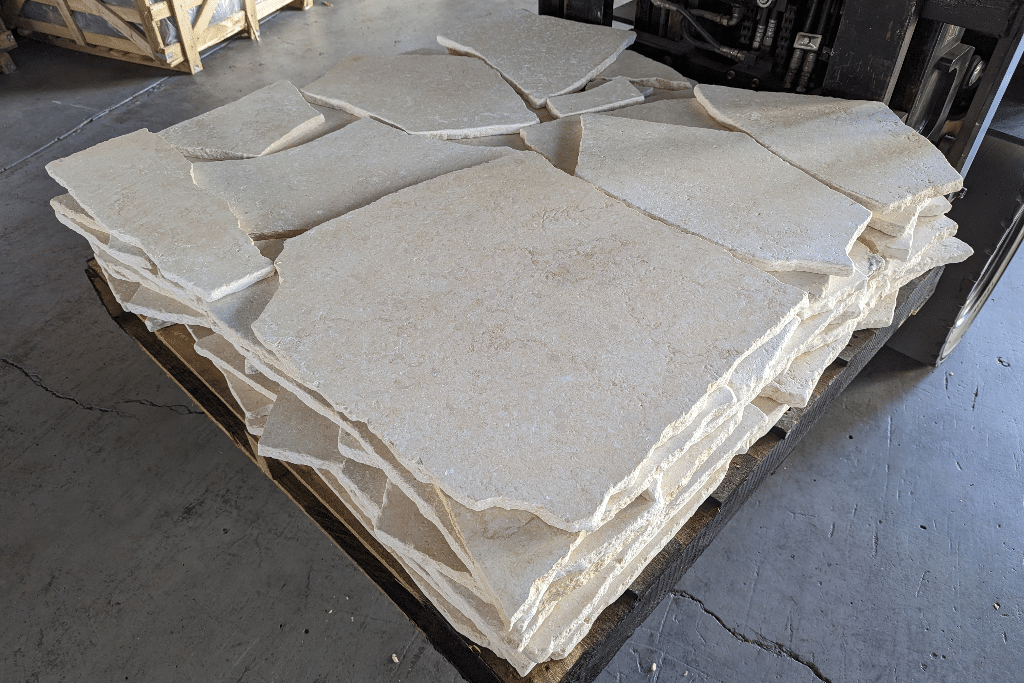
- Crazy pave designs using sandstone or bluestone offer a rustic yet modern aesthetic while reducing waste through irregular cut use.
Indoor Applications
- Limestone wall cladding creates a soft, natural texture for feature walls or fireplaces.
- Granite and quartz tiles add resilience in high-traffic or wet areas, reducing the need for frequent replacement.
Each application contributes to energy efficiency and low maintenance, aligning with passive design principles and long-term sustainability goals.
Debunking Myths: Is Engineered Stone Safer or Greener?
Recent years have seen growing concern around engineered stone and silica dust hazards, leading to industry-wide reassessments of health and safety. While marketed as low maintenance, engineered stone production relies heavily on resins and pigments that carry environmental and occupational risks.
Natural stone, by contrast, can be cut, sealed, and maintained safely using established dust suppression and ventilation practices, with none of the resin-based risks.
Recommended Reading
Enhancing Sustainability: How to Source Responsibly
To ensure your project remains as green as possible, consider the following when selecting materials:
- ✓ Choose reputable suppliers who provide transparency on quarrying and supply chain ethics.
- ✓ Ask about offcut reuse or recycling programs.
- ✓ Opt for timeless tones and finishes that will not date quickly, reducing future renovation waste.
- ✓ Combine stone with natural finishes such as lime-based mortars or eco sealants.
- ✓ Use local trades familiar with stone installation to minimise errors and material waste.
At Stone Design & Co, we support this philosophy through ethical sourcing, expert advice, and long-term partnerships with clients who value quality and sustainability.
Conclusion: Nature’s Original Building Material Wins the Sustainability Test
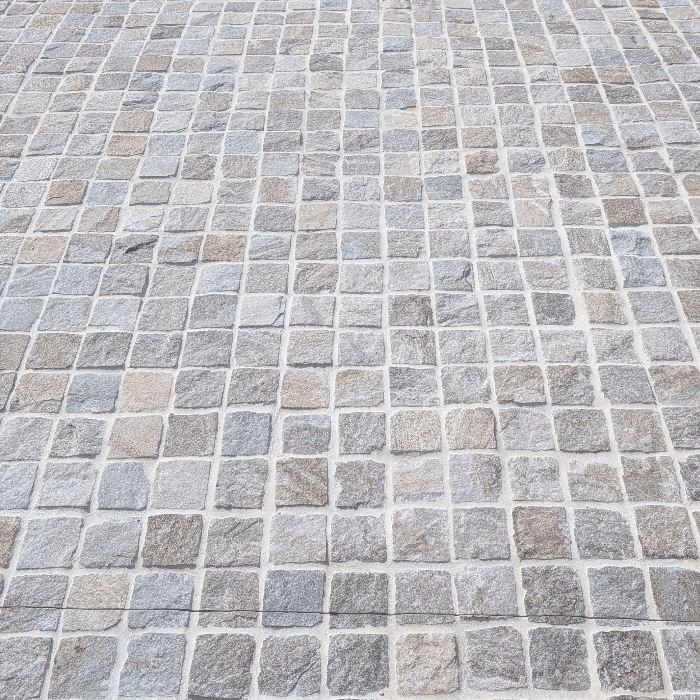
When comparing natural stone vs manufactured materials, the results speak for themselves. From quarry to installation, natural stone offers lower embodied energy, unmatched durability, non-toxic composition, and infinite recyclability, all while delivering timeless beauty that enhances any architectural style.
Choosing natural stone is not just an aesthetic decision but an environmental one. By investing in materials that last, homeowners and designers contribute to a more sustainable, resilient, and authentic built environment.
At Stone Design & Co, we are proud to lead the way in sustainable stone solutions for Australian homes and landscapes. Whether you are renovating a coastal retreat or designing a contemporary residence, our curated range of limestone, travertine, granite, sandstone, bluestone, and quartz provides the perfect foundation for a greener future.
→ Ready to make a sustainable choice? Explore our Natural Stone Collection and discover how your next project can blend luxury, longevity, and environmental responsibility.